Estate Planning Attorney Marketing: 16 Ideas for 2026
Estate planning is a considered purchase. Most people put it off for years, then research several attorneys before booking a consultation, often after a trigger like a new child, a diagnosis, retirement or the death of a parent. Good digital marketing for estate planning lawyers makes sure you’re the firm they find, trust and remember when that moment comes.
This guide covers 16 estate planning attorney marketing ideas: strategy and positioning, your Google Business Profile and website, SEO, reviews, estate planning ads (Google Ads, Local Services Ads and seminar promotion), social media, video, email, referral partners and local events. It finishes with answers to common questions about estate planning advertising.
1. Create a Sound Law Firm Marketing Strategy
Three essential elements should serve as your marketing strategy’s core foundation:
Define The Ideal Client for Your Estate Planning Firm
First, you want to know what your strengths are as an estate planner. This helps you determine the ideal client you wish to target in your marketing strategy. Next, break down your ideal client into demographics like age, income, and values. To get things started, look at who already plans: Gallup’s 2021 survey found 46% of U.S. adults have a will, rising to 76% of adults 65 and older and 61% of those in households earning $100,000 or more, but only 36% of adults aged 30 to 49. Younger parents are a large, under-served audience; older and higher-income clients are the most ready to act.
Tighten Up Your Positioning
There are many estate planning lawyers and law firms to compete against in your location. So, you must figure out what makes you different from the rest.
One of the best ways to position yourself in the market is to emphasize personalization. You can offer a custom plan for clients based on their goals, wishes, and situation in life. You should also update their plans due to future changes affecting them. By taking a more personal approach, you make estate planning as painless as possible.
Ensure You Incorporate Digital Marketing
Online marketing lets you tap into social media, search engines, and email marketing. These channels allow you to reach a wider audience. They also let you build brand consistency to establish trust with your audience. Lead generation is much easier as well with targeted advertising and lead magnets.
Finally, you can collect detailed campaign analytics to track its real-time performance. It lets you make data-driven decisions and improve your campaign results over time.
2. Create a Google Business Profile and Optimize it
Sign up for your Google Business Profile (formerly Google My Business) or GBP. Enter your name, address, and phone number on your profile. Then add photos and include your business hours. The details here will appear on your Google Maps business listing.
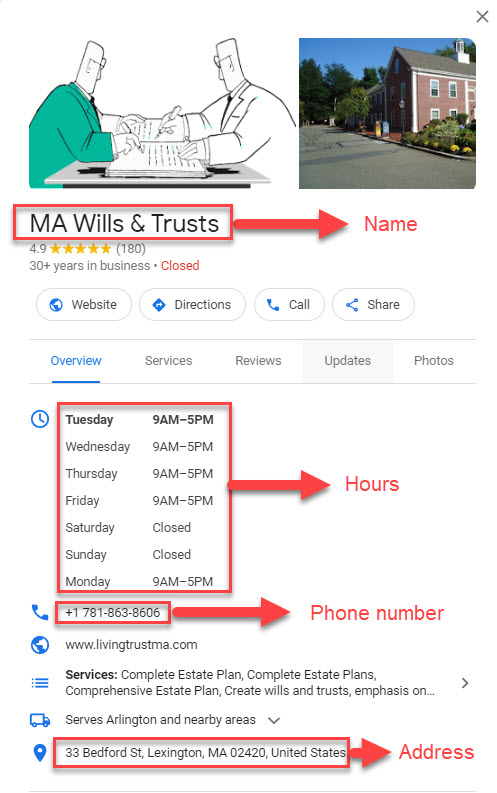
Next, you can begin optimizing your profile. Write an accurate description of your practice and services. Then choose a primary category (for example, “Estate planning attorney”) and only the few additional categories that describe your core services, as Google’s Business Profile guidelines advise.
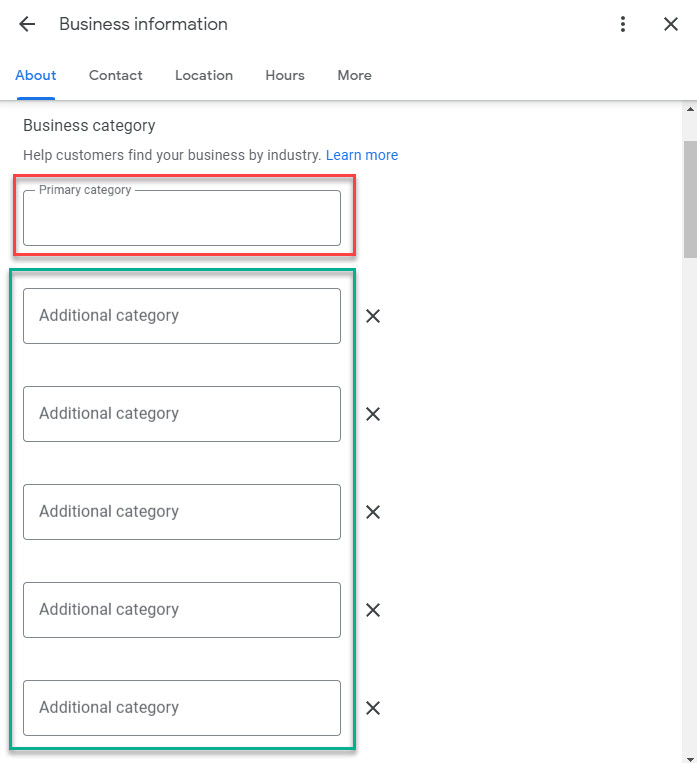
The description and categories also appear on your business information. More importantly, they provide additional business information to search spiders. As a result, they can index your listing on local search results for your search query much easier.
3. Build Local Citations to Improve Your Local Search Presence
Local search engine optimization (SEO) is one of the best ways to ramp up your local search presence. Optimizing your business listing correctly will rank it on Google’s local 3-pack. This section appears on top of organic results on SERPs. It lists the three most relevant businesses to the user’s local search query.

One way to improve your online presence on local 3-pack is local citations. This is where you list your NAP on relevant local online and legal directories.
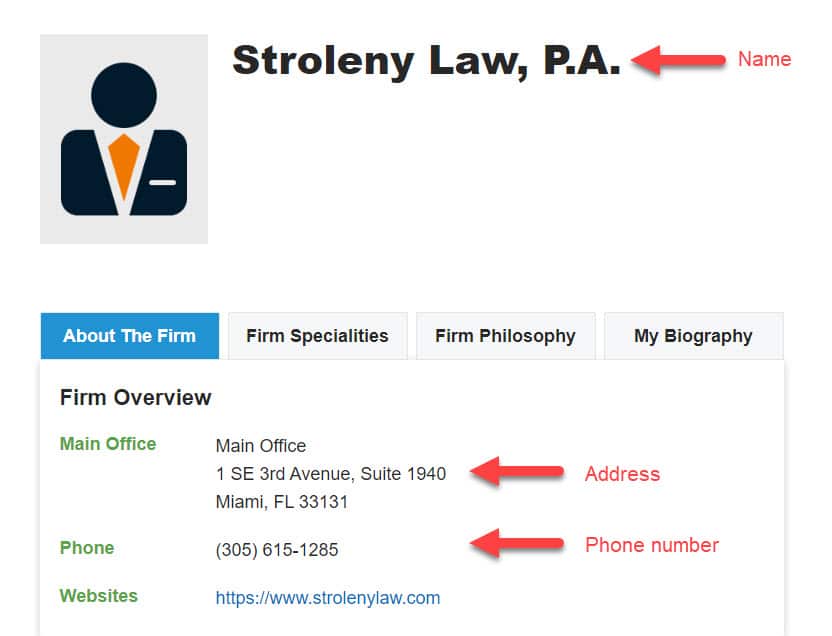
The goal here is to use the same NAP that appears on your Google Business Profile. If you have existing business listings, check if they show accurate business information. Ensuring NAP consistency helps Google validate your business. It also leads to higher local SEO rankings.
4. Build a Website to Represent Your Estate Planning Practice
Develop a site that best reflects your business. Start by featuring the same logo, colors, and font used in all your marketing materials. These help you build a web design with a strong brand identity.

Then ensure that your website loads fast and efficiently to engage visitors. First, choose a hosting provider that uses fast servers to host your website. Also, use a responsive, lightweight website design or theme.
For WordPress users, download plugins that improve your site’s loading speed. A caching plugin like WP-Optimize stores ready-made versions of your pages so they load faster for each visitor. If you have lots of images on your site, use the plugin’s image compression feature. It automatically decreases image file sizes without compromising quality.
Before sharing your website with people, test its functionality and performance. Enter the website URL on Google PageSpeed Insights and check its Performance score. The higher the score, the faster and more efficiently the site loads.
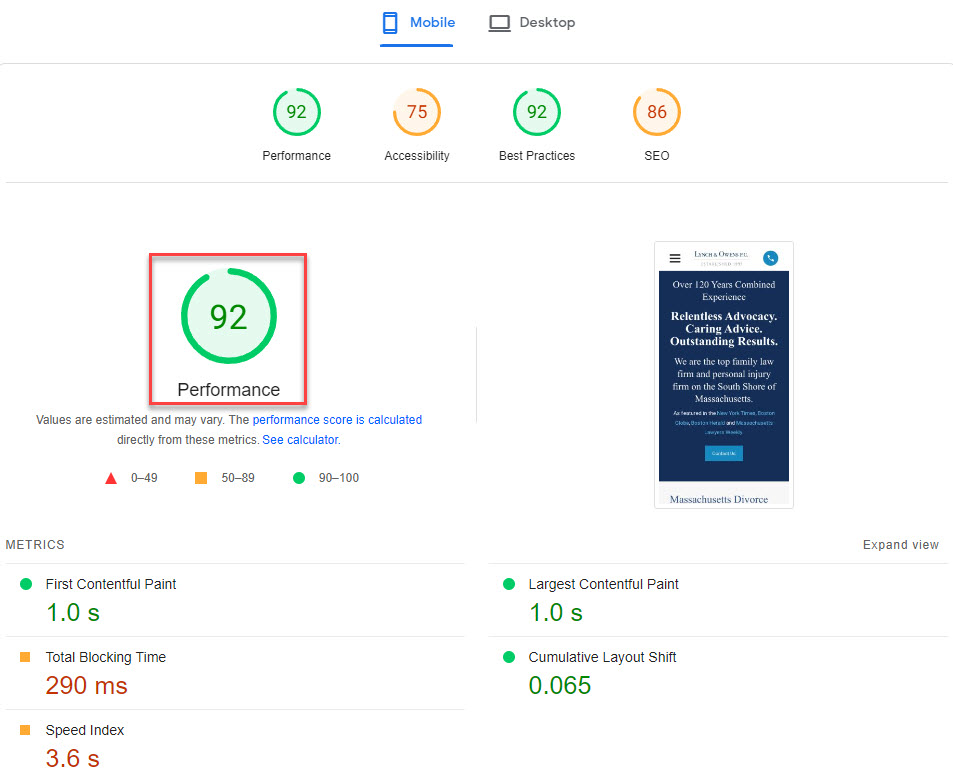
If your score is low, scroll the page to see the Opportunities and Diagnostic sections. They show issues keeping your website from loading properly. Some of the problems are technical and require help from a web developer.

5. Invest in Estate Planning SEO to Get Organic Traffic
At the very heart of SEO is research and analysis. It starts with researching for keywords to optimize your site pages. A tool like Ahrefs helps you type your seed keyword to gather suggestions with local intent. You can then filter the best ones according to their search volume and keyword difficulty (KD).

Next, mention the keyword on the most important page elements, a process known as on-page SEO. The three most critical ones are the SEO title, H1, and URL. You can also mention similar keywords in the content body to help optimize the page even further.
On the other hand, there’s off-page SEO or link building. This is where you acquire links from other websites pointing to yours. You can start by looking at referring domains your competitors have and you don’t. Then figure out how the competitors got the links to create your campaign. Finally, when linking to your page, use the appropriate anchor text.

If done correctly, you can rank your website on Google search engine results. These appear just below the local 3-pack.
6. Showcase Testimonials for Your Estate Planning Law Firm
Get online reviews by emailing clients after their plan is signed and asking them to share their experience on your GBP. Follow up once if they don’t reply. Keep it within Google’s review policy: ask every client, don’t offer incentives, and don’t filter out people you think might be less positive.
Some may prefer leaving their reviews on different sites like Yelp. If so, find a way to compile and feature reviews from various websites on yours. You can use a tool like GatherUp to gather the reviews for you automatically.

Screenshot from Stroleny Law website.
After receiving the reviews, reply to them to show your gratitude. If you received negative reviews, also take time to learn why and what you can do to make it up for them. How you deal with less-than-glowing reviews shows your brand’s character. It could even convince your ideal client to sign up for your services.

7. Get Instant Traction With Estate Planning Ads
Launch a pay-per-click (PPC) or Google ads campaign by researching keyword ideas first. Type “estate planning” on Ahrefs and filter the results according to cost per click (CPC).

Choose keywords that best fit your budget and meet your goals. For example, you have a guide that answers the most common estate planning questions. To promote the guide, bid for “questions for estate planning” and similar for your PPC campaign. To find more ideas, run another search by including your location, like “Miami,” in the seed keyword.
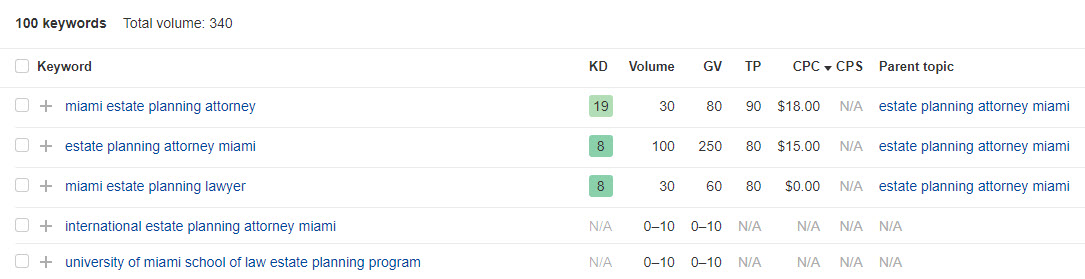
You also have to choose between automated and manual bidding for your strategy. With the former, you let the algorithm decide which keywords to bid for based on your objectives.

Image taken from YouTube
The latter requires you to set up your campaign from scratch, which is more time-consuming. But it gives you more control over your ad campaign’s performance.
From here, you can create ads that show on top of SERPs hours after launching the campaign. They give you better chances of attracting highly qualified leads.

On the downside, you must allocate a sizeable budget to see significant ROI from your PPC efforts. But you won’t have to worry if you hire a law firm PPC agency that can handle this for you.
Other Estate Planning Advertising Worth Testing
- Local Services Ads: estate law is one of the legal categories Google supports. You pay per lead, and your ad shows a Google Screened badge. See our Local Services Ads guide for lawyers.
- Facebook and Instagram ads: useful for promoting free workshops, webinars or a downloadable estate planning checklist to local adults in the life stages above, then following up by email.
- Seminar and workshop promotion: in-person or online “wills and trusts 101” sessions remain a common estate planning lead source; promote them through ads, local partners and your email list.
- Retargeting: show reminder ads to people who visited your pricing or trust pages, since many prospects take weeks to decide.
Whatever you run, keep ads accurate and follow your state’s lawyer advertising rules, and track calls and form fills so you can see cost per signed client for each channel.
8. Develop a Social Media Marketing Strategy
First, identify which platforms are best suited for your business. For estate planning, Facebook and LinkedIn tend to reach the age groups most likely to plan, and LinkedIn is also useful for referral relationships with financial advisors and CPAs. Look at which social media sites your competitors use, then pick one or two you can post on consistently.
Next, create a content strategy based on your social media goals. Publish lots of helpful information about estate planning to build a following. But to generate leads, offer exclusive content for free in exchange for people’s personal information. Also, include personalized images and videos in your posts to increase engagement. For example, discuss holidays and special occasions to generate more traction.

9. Start Video Marketing on YouTube
To get your video marketing efforts started, set up an optimized channel. First, create and upload a custom YouTube banner and profile photo. Then write a description that best captures what your channel is about. You can also add links to your social media profiles and law firm website so people can follow you there. If not, you can add a CTA on the banner, like requesting a meeting with you.

Next, create a content strategy. The goal is to be able to create videos consistently and without fail. To do this, you must brainstorm topics for your video content. On Ahrefs, click on the YouTube box from Keyword Explorer before typing in your seed keyword. It will look at its YouTube database to help you find keywords that people search for.

The next and most challenging step is creating the videos themselves. Normally, you want to talk about the topic in front of the camera. That means you have to rehearse what you’ll say and how you’ll say it. Also, invest in equipment to help you produce the best possible videos. This includes microphones, lights, video recorders, and editing software.
10. Answer FAQs of Your Prospective Clients on Your Blog
Type in your practice area on Google search to find the People Also Ask (PAA) section on SERPs. This contains questions you can answer in your content marketing campaign.
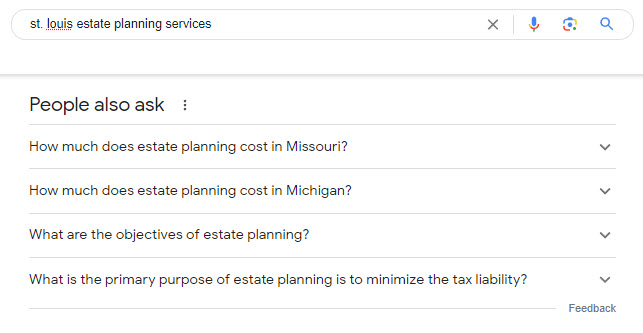
When creating the content, consider using marketing tools like Surfer SEO. It identifies the best keyword phrases to mention in the article. It also shares the number of headings, words, and images to use in the content. They help you optimize the blog posts by making them similar to the top-ranking pages for the keyword.

11. Sponsor Local Events to Build Local Awareness
Look for relevant events within your area to advertise your estate planning services. Determine the scope and size and identify the pros and cons of sponsoring each. This gives you an idea of which events to focus on.
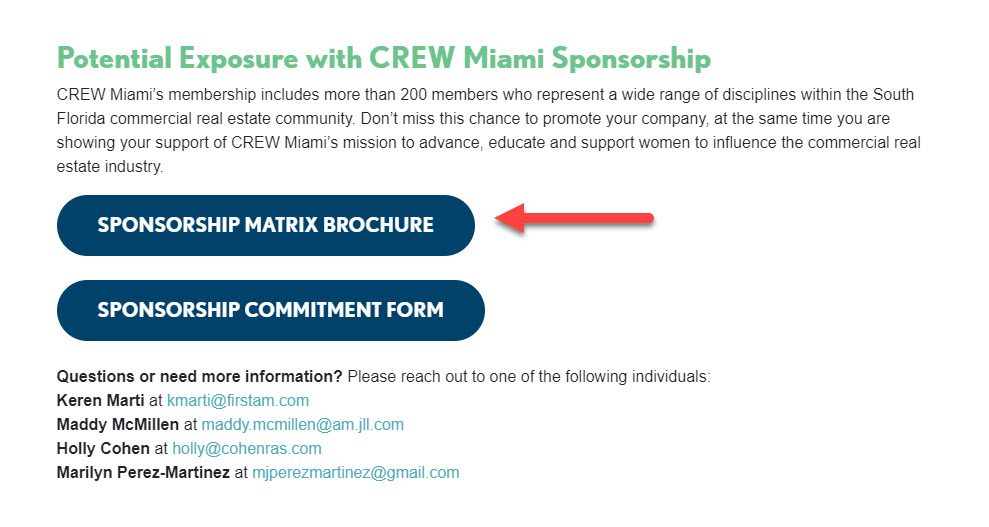
Upon reaching out to event organizers, check out their sponsorship matrix. It normally includes booth space and event signage. But the goal is to negotiate sponsorship terms that align with your budget and goals. From here, develop a marketing plan to promote your sponsorship throughout the event.
During the event, train your staff to represent your law firm. Get them to engage with attendees. Also, hand out brochures and giveaways to passersby at your booth. Finally, before people leave your booth, ask them to fill out a form with their information. Use it to contact them with the latest news and updates about your services. This enables you to build relationships and convert them into estate planning clients.
12. Advertise in Local Newspapers
Look for and reach out to local publications for advertising opportunities. A quick Google search for “[location] newspapers” should provide you with a list to choose from. Then check their “Advertise with Us” page or similar for more details. Some allow you to create sponsored content, while others can give you an ad space. From here, identify the best opportunity they offer based on your budget. Then, make an ad that meets editorial guidelines and casts a positive light on your business.

Also, find a way to track your newspaper campaign. Use a URL shortener to track how many people entered your website link on their browsers. You can also use it to know who became new clients from your ad.
13. Network With Finance Professionals
To help you find financial professionals, attend industry events. You can also join professional organizations to broaden your search. Examples include the Financial Planning Association (FPA) and the National Association of Estate Planners & Councils (NAEPC).
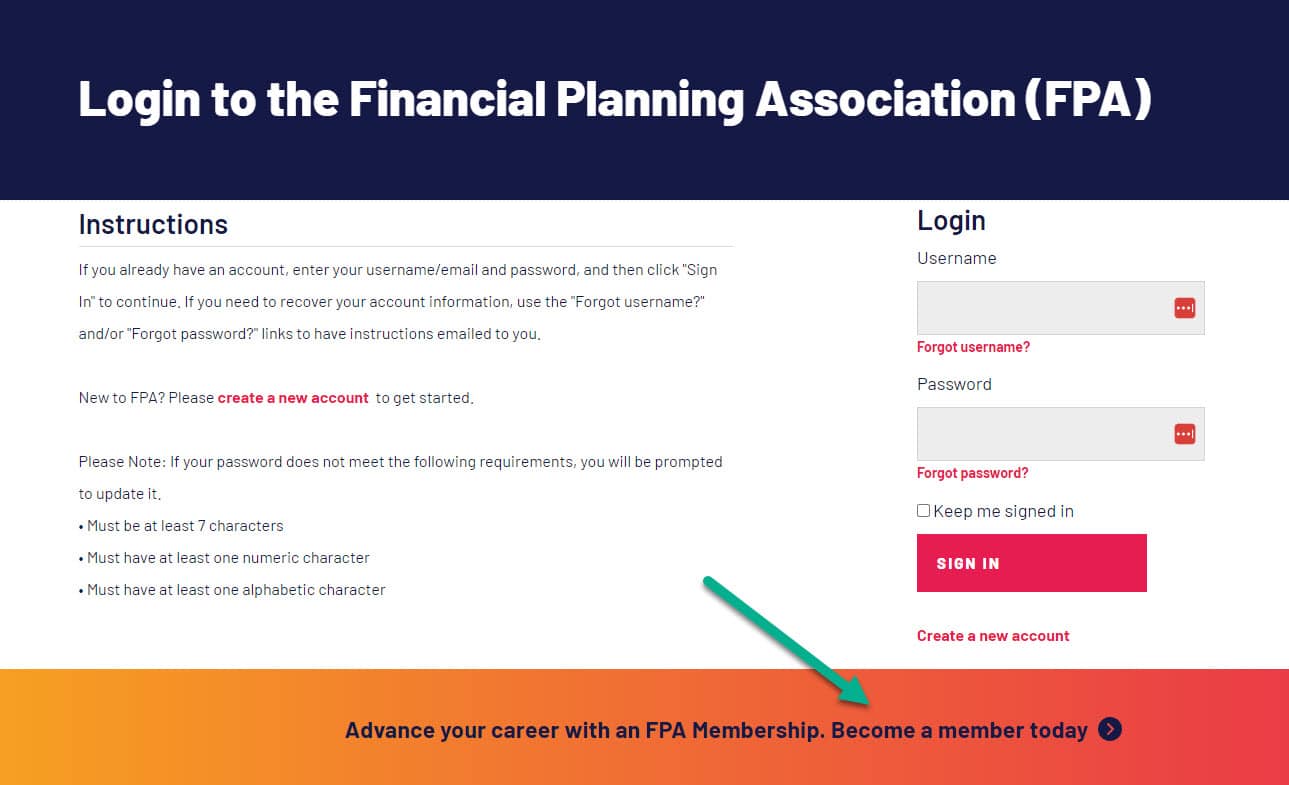
Keep in touch with these financial professionals regularly upon forging relationships with them. Ask them if their clients are looking for estate planners. At the same time, present them with opportunities that come your way.
Both of you specialize in different spectrums of wealth and property management. That means you can collaborate for professional opportunities with financial professionals. With their help, you can add value to your existing clients and attract new ones.
14. Stay Connected With Current Clients Using Email Marketing
Just because you closed prospects into clients doesn’t mean your job is done. You still need to nurture existing client relations with email marketing. It’s often used to follow up with unconverted leads, but it also reminds clients to review their plan after life events (marriage, divorce, a new grandchild, a move to another state) and encourages referrals.
First, enter the personal information of your client base in your email list. Then group similar clients into different segments of your list. For example, group clients who ordered the same service from your law firm. You can also use factors like their demographics and behavior in your list.
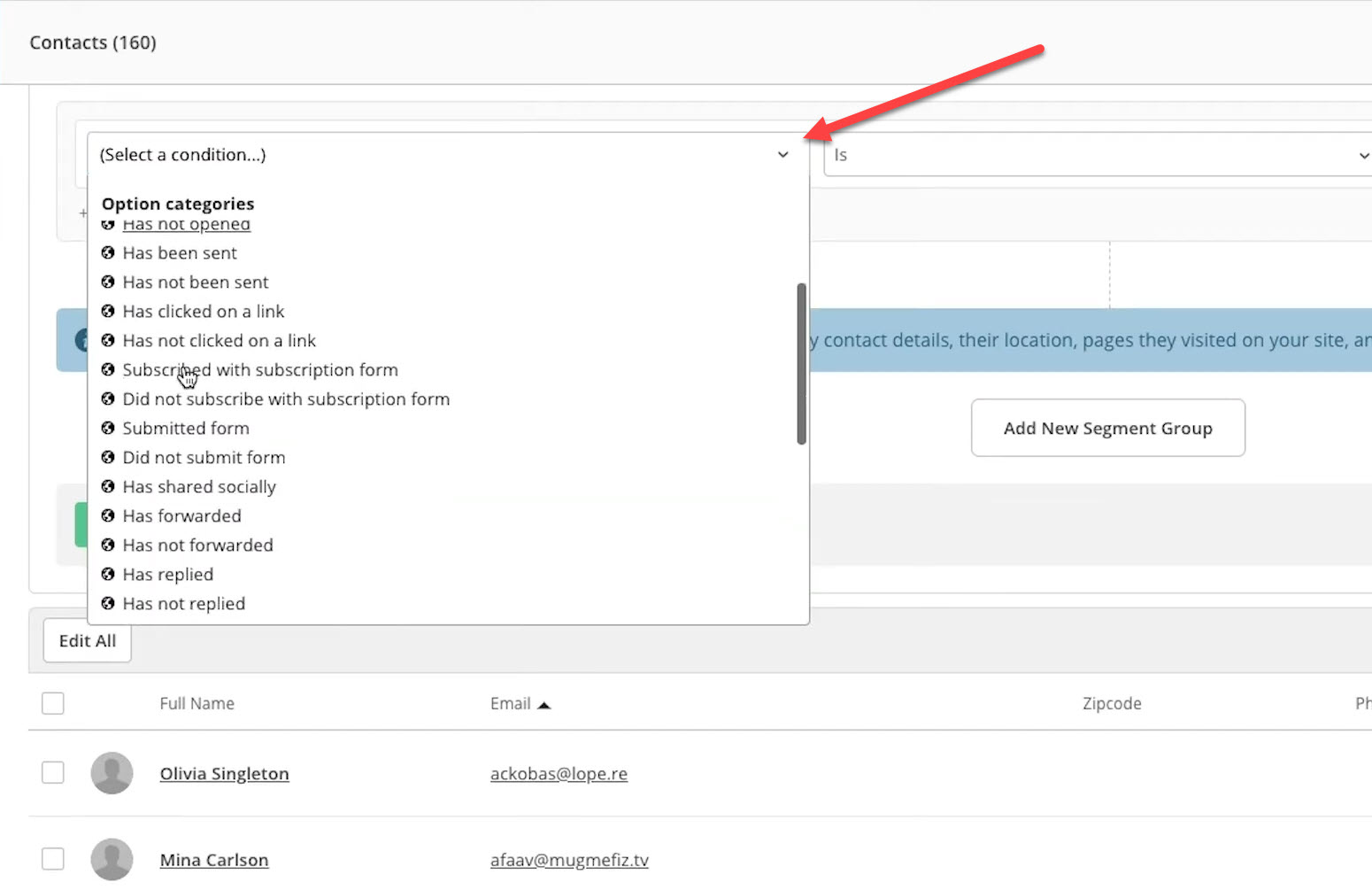
Image from YouTube
Next, create personalized email content for each content. The goal is to send emails regularly about the latest estate planning laws. You can also share upcoming webinars or podcast episodes about managing assets. Just as important, don’t send emails if you have nothing valuable to say. This will cause them to unsubscribe from your list.
15. Improve Your Client Experience
Providing seamless client experience means putting their needs before everything else. Keep them in the loop on updates about their will and estate planning laws in the state. Then provide suggestions on how to address these changes.
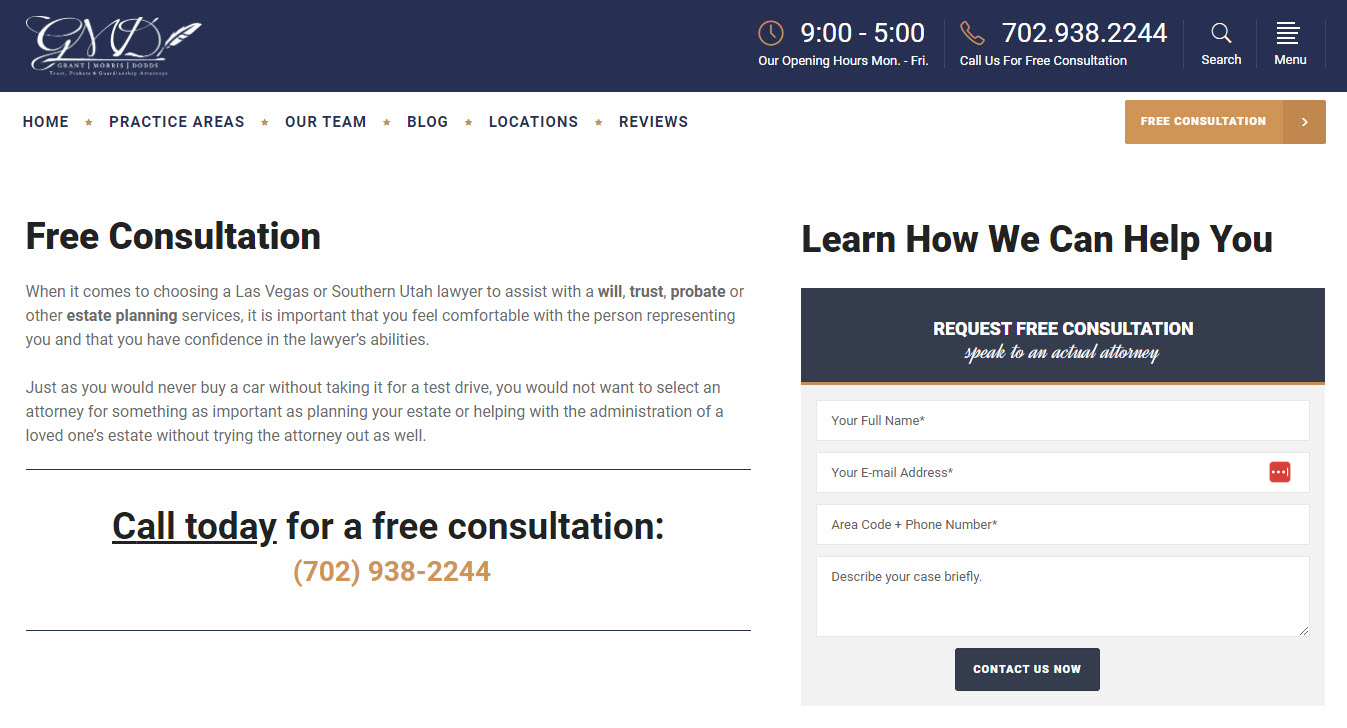
You can also give them premium education about estate planning and related topics. Offer free webinars and online consultations to put any concerns they have to rest. Regarding the latter, you can use it to onboard potential clients.
Going the extra mile for your clients makes them stay with you for all their estate planning needs. They might even recommend you to their colleagues, resulting in more referrals!
16. Hire a Marketing Agency
While you can perform all the ideas above for your law firm, focusing on your clients is usually a better use of your time. A law firm digital marketing agency can run estate planning SEO, law firm SEO and Google Ads for you and report on the consultations and signed clients they produce.
When looking for one, look at their customer service and support. It’s not enough for an agency to have many positive reviews from previous clients. They should also answer all your questions and take time to understand your business. This lets them develop a legal marketing strategy that meets your goals.
Let On the Map Marketing take care of it. Contact us about our FREE website audit or call 305-420-5556 for more information.
Frequently Asked Questions
What is the best way to market an estate planning practice?
Combine a strong local presence (Google Business Profile, reviews, directories) with helpful content and SEO, then add estate planning ads for consistent lead flow. Referral relationships with financial advisors, CPAs and insurance agents remain one of the best sources of high-value clients.
Do estate planning ads work?
They can. Google Ads and Local Services Ads reach people actively searching for an estate planning attorney, while Facebook ads work better for promoting workshops, webinars and checklists to people who haven’t started searching yet. Track each channel by cost per signed client.
How do estate planning attorneys get leads online?
Mainly through Google: local map results, organic rankings for questions like “will vs trust” or “do I need a trust in [state]”, and paid search. Workshop registrations and email follow-up convert many of those visitors over time.
Should estate planning and elder law or probate be marketed together?
They serve overlapping audiences, so it often makes sense to cross-link them, but give each its own service page so each can rank for its own searches (for example “probate lawyer [city]”).
Table of Contents
Related Articles

Dominate Your Market with Digital Marketing Services That Deliver
Talk to a certified professional today, and we will design a strategy specific to your case.